
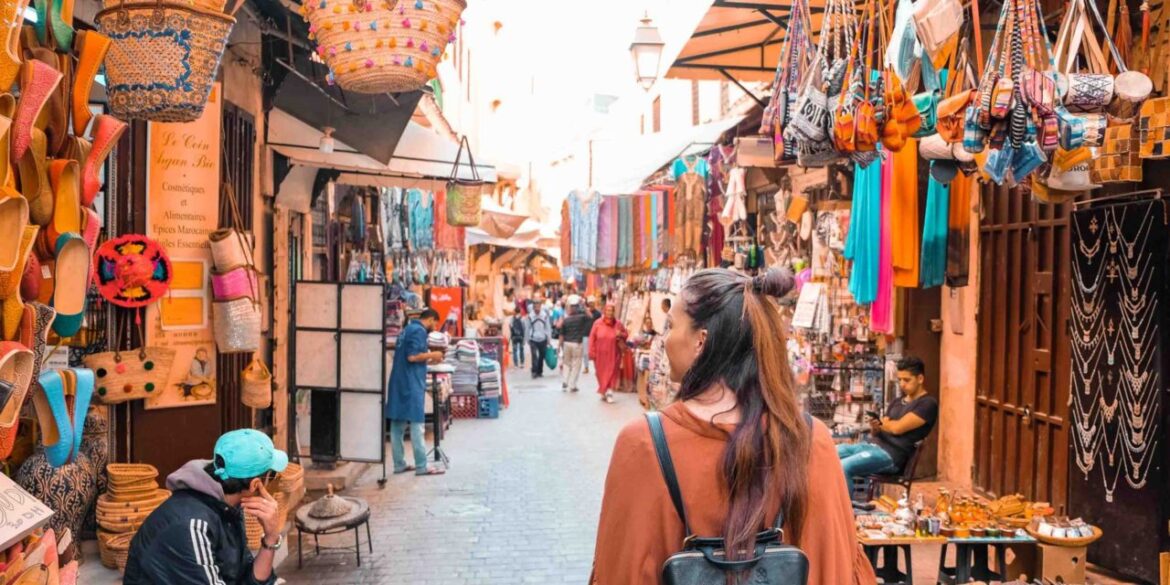
Morocco is a country of dizzying sensory depth. It is a place where the scent of burnt amber mixes with diesel fumes, and where the call to prayer harmonizes with the frenetic energy of the souk. For the visitor, this vibrancy is intoxicating, but the social choreography behind it can be opaque.
To truly experience Morocco—not just as a tourist, but as a welcomed guest—one must understand the unspoken rules that govern daily life. These are not merely lists of “dos and don’ts,” but reflections of deep-seated values: Hshouma (propriety/shame), Karam (generosity), and the importance of face-to-face connection.
Here is your investigative guide to the three pillars of Moroccan tourist etiquette: The Deal, The Tip, and The Look.
I. The Souk is a Stage: The Art of Haggling
In the West, a price tag is a statement of fact. In the Moroccan medina, a price is merely an opening opening line in a theatrical dialogue. Haggling is not an argument; it is a social ritual derived from centuries of caravan trade where the relationship between buyer and seller mattered as much as the goods.
The Cultural Context
Merchants in the souk enjoy the game. If you pay the first price asked, you haven’t just lost money; you have arguably deprived the merchant of the interaction. However, this applies mostly to carpets, leather goods, brass, and souvenirs. Groceries and fixed-price boutiques (prix fixe) are exceptions.
How to Navigate the Negotiation
- The feigned disinterest: Never show too much enthusiasm for the item you truly want. Inspect a few other items first.
- The “Third” Rule: A common rule of thumb is to aim for roughly 30% to 50% off the opening price, depending on how inflated the start is.
- The Walk-Away: This is your most powerful tool. If the price isn’t right, smile, thank them (“Shukran“), and slowly walk away. 80% of the time, the price will drop dramatically before you take three steps.
- The Tea: If you are buying a high-value item (like a rug), you may be offered mint tea. Accepting it does not obligate you to buy, but it does obligate you to be polite. It shifts the dynamic from business to hospitality.
Journalist’s Note: Do not haggle over pennies. If the difference is 10 Dirhams ($1 USD) and the artisan has spent 20 minutes with you, concede the price. It means little to you, but it matters to the local economy.
II. The Micro-Economy of Gratitude: Tipping
Tipping in Morocco is less of a bonus and more of a decentralized salary system. Many service workers—from the man who guides your car into a spot to the bathroom attendant—rely almost entirely on tips to survive.
The Terminology
You will hear the word Bakshish. Historically, this could imply a bribe to get things done, but in the context of tourism, it simply means a tip. A more polite term to use is Pourboire (French) or simply “tipping.”
The Going Rates (The “Cheat Sheet”)
Carrying small change (coins) is arguably the most important travel hack for Morocco.
| Service | Suggested Tip (MAD) | Context |
| Restaurants | 10% of the bill | Standard for good service. Check if service is included (rare). |
| Cafes | 2–5 Dhs | Round up the bill or leave loose change on the tray. |
| Garder (Car Guard) | 2–5 Dhs (Day) / 10-20 Dhs (Night) | These men in fluorescent vests ensure your car isn’t scratched or towed. |
| Bellhop/Porter | 10–20 Dhs | Per bag, depending on the weight and stairs involved. |
| Public Restrooms | 1–2 Dhs | Usually paid to the attendant at the entrance for toilet paper/maintenance. |
| Riads/Hotels | 50–100 Dhs | At the end of your stay for the general housekeeping staff. |
III. Modesty as Currency: What to Wear
The question of dress code often causes anxiety for Western travelers. Morocco is a dichotomy: walk through the Gueliz district of Marrakech and you will see Moroccan women in crop tops and high heels; travel 20 minutes to a rural village, and full coverage is the norm.
The guiding principle here is Hshouma (Shame/Embarrassment). You want to avoid dressing in a way that causes second-hand embarrassment to families or elders.
For Women
You do not need to wear a headscarf (hijab) unless you are entering one of the few mosques open to non-Muslims (like the Hassan II Mosque in Casablanca).
- The Golden Rule: Shoulders to knees.
- The Strategy: Loose-fitting linen trousers, maxi skirts, and tunics are perfect. They are culturally respectful and keep you cool in the heat. A light scarf (pashmina) in your bag is the ultimate tool—throw it over your shoulders if you feel the gaze of the crowd is too intense.
- Swimwear: Bikinis are perfectly fine at hotel pools and private beaches. On public beaches, you will notice most local women swim fully clothed; while you can wear a swimsuit, a cover-up is recommended when leaving the water.
For Men
- The Shorts Debate: In the West, shorts are for heat. In traditional Moroccan culture, grown men generally wear long trousers. While tourists wearing shorts are accepted, wearing knee-length (or longer) shorts is preferred over short athletic shorts.
- Evening Wear: If you are dining out or exploring the old Medina at night, long pants and a collared shirt or nice t-shirt command more respect.
- Sleeveless Shirts: Generally avoid tank tops (singlets) in city centers; they are viewed as underwear by the older generation.
IV. The Unspoken Basics: The “Right” Way
Beyond the “big three” topics above, two small gestures will mark you as a culturally savvy traveler:
- The Right Hand Rule: In Islamic culture, the left hand is reserved for personal hygiene. The right hand is for eating (especially tagine with bread), shaking hands, and handing over money. Always offer money with your right hand.
- The Heart Gesture: When you decline a tout or a shopkeeper, place your right hand over your heart, smile, and say “La, Shukran” (No, thank you). This gesture softens the rejection, turning it into a sign of respect rather than dismissal.