
Planning a trip to Morocco during Ramadan? Discover essential travel tips, cultural traditions, food guides (Ftour), and the dos and don’ts for tourists in this expert guide.
To visit Morocco during Ramadan is to witness the country’s heart beating at a different rhythm. It is a time when the chaotic energy of the souks softens into spiritual contemplation, only to erupt nightly into a symphony of communal feasting.
For the cultural historian, it is a window into the soul of the Maghreb; for the traveler, it is a unique experience that rewards patience with unparalleled hospitality. But what does traveling to Morocco during Ramadan really look like? From the Ftour table to public etiquette, here is everything you need to know.
What is Ramadan in Morocco?
Ramadan is the ninth month of the Islamic lunar calendar, a period of fasting from dawn until sunset. In Morocco, it is far more than a prohibition on food and water. It is a total recalibration of social time, culinary heritage, and public behavior.
The Atmosphere: A Shift in Time
The atmosphere in a Moroccan city during the holy month is distinct. The days are slower, marked by a collective conservation of energy. As the sun begins its descent, however, the air changes.
The Ritual of Sunset (The Zowaka)
In many cities, the break of the fast is announced not just by the Adhan (call to prayer), but by the Zowaka—an air raid siren or, traditionally, a cannon shot. Walking through a bustling Medina like Fes or Marrakech just minutes before sunset is a surreal experience. The streets, usually choked with motorbikes, become ghost towns.
Then, the cannon fires. The muezzin calls. Simultaneously, millions of spoons clink against bowls. The collective unity of that moment is palpable.
The Nafar: The Traditional Town Crier
While modern alarm clocks exist, tradition persists in the form of the Nafar. Dressed in a traditional gandoura, this town crier walks the neighborhood alleys before dawn, beating a drum to wake residents for Suhoor (the pre-dawn meal).
Traveler Note: If you hear drumming at 3:00 AM, do not be alarmed. It is a beautiful, centuries-old tradition reminding the faithful that community supports the individual.
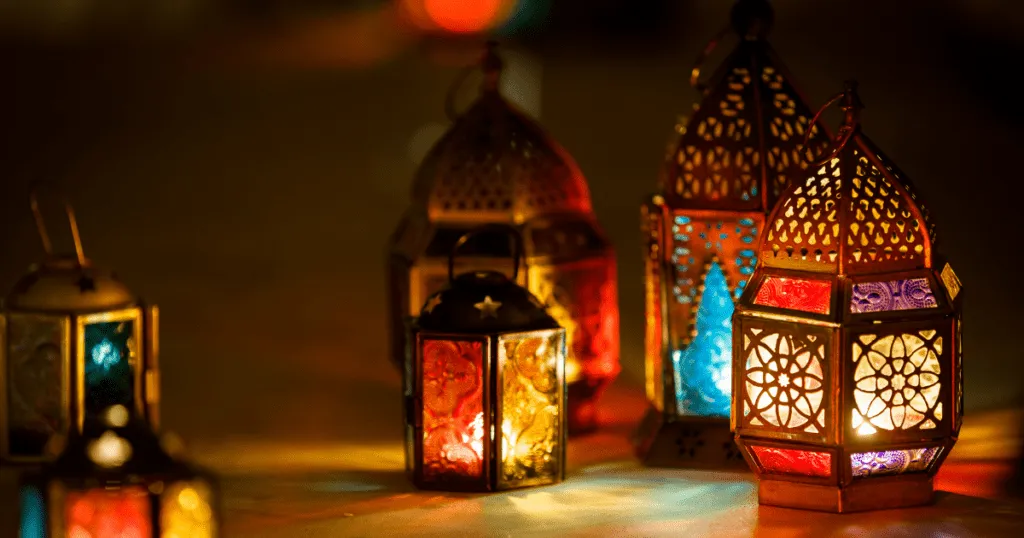
[Image: Close up of a traditional Moroccan brass lantern and a glass of mint tea. Alt Text: Traditional Moroccan Ramadan lantern and tea setting.]
Moroccan Ramadan Food: The Art of Ftour
The breaking of the fast, known as Ftour (or Iftar), is not merely a meal; it is a meticulously choreographed ritual. The Moroccan Ftour table is a testament to the country’s agricultural richness and Andalusian culinary influences.
1. The Essentials: Dates and Harira
Following the Sunnah, the fast is broken with dates and water or milk to gently restore blood sugar. This is immediately followed by Harira, the national soup of Morocco.
- What is Harira? A velvety, tomato-based soup thickened with flour and packed with lentils, chickpeas, vermicelli, and fresh herbs (celery, parsley, coriander). It is the taste of Ramadan.
2. Sweet and Savory Delights
Moroccan cuisine excels at mixing sweet and salty profiles.
- Chebakia: A flower-shaped cookie, fried until golden, soaked in honey, and sprinkled with sesame seeds. It is a caloric powerhouse designed to energize.
- Sellou (Sfouf): A rich, nutty paste made from toasted flour, almonds, and spices.
- The Breads: Tables are laden with Msemmen (flaky pancakes), Baghrir (semolina pancakes), and Batbout.
Is it Safe and Easy to Travel to Morocco During Ramadan?
Yes. However, it requires adjustment. You are entering a society in a state of heightened spiritual discipline. Here are the practical Ramadan travel tips you need.
The Golden Rule: Public Consumption
Do not eat, drink, or smoke in public during daylight hours.
While non-Muslims are not expected to fast, consuming food in front of those who are abstaining is considered highly disrespectful.
- The Law: Article 222 of the Moroccan Penal Code prohibits Muslim citizens from breaking the fast in public.
- Advice for Tourists: Eat inside your hotel, or in restaurants that have screened-off sections specifically for tourists.
Changing Schedules
- Opening Hours: Museums and historical sites often open later (around 10:00 AM) and close earlier (around 3:00 PM or 4:00 PM).
- The “Rush Hour” Warning: The hour immediately preceding sunset is chaotic on the roads as taxi drivers rush home to eat. Avoid being in transit during this 60-minute window.
- Dinner Time: Most restaurants close during Ftour (sunset) for about an hour. They reopen afterward with renewed energy.
Alcohol Availability
Sales of alcohol are restricted. Liquor sections in supermarkets are often cordoned off. High-end hotels and licensed tourist restaurants may still serve alcohol, but it is best to check in advance.
Frequently Asked Questions (FAQ)
Does everything close in Morocco during Ramadan?
No. While the pace is slower and shops may close for the hour of Ftour (sunset), the cities come alive at night. Souks and shops often stay open until 1:00 AM or 2:00 AM.
Can tourists drink water in public?
It is best to be discreet. Carry a water bottle in your bag and take a sip in a secluded corner or indoors, rather than walking down the street drinking openly.
Is it a good time to visit?
If you want culture, yes. It is the best time to see the spiritual side of Morocco. If you want a party atmosphere or seamless service, you may prefer another month.
Conclusion
Visiting Morocco during Ramadan is for the traveler seeking connection. It is a time when the veil between the sacred and the profane is thin. If you navigate it with sensitivity, you will find that Moroccans—already known for their warmth—are even more generous during this month.